
Showing posts with label Science. Show all posts
Showing posts with label Science. Show all posts
Wednesday, September 16, 2020

Thursday, July 2, 2020
Science
Corrosion 1 experiment
Aim: To investigate the factors that cause rusting in an iron nail.
Equipment: Four test tubes, test tube rack, a bung, four iron nails, boiled water, tap water, salty water, cooking oil, calcium chloride.
A = Iron nail and tap water
B = Iron nail and salty water
C = Iron nail, boiled water, oil
D = Iron nail and calcium. Sealed with a bung
Observations:
A - Had Rust
B- Had a lot of rust
C- No rust
D - No rust
Corrosion 2 experiment
Aim: To investigate a number of techniques that might prevent rusting.
Equipment: Four test tube, test tube rack, a bung, four iron nails, tap water, Vaseline gel, nail polish, zinc pellets or magnesium ribbon.
A = Iron nail
B = Iron nail covered in Vaseline.
C = Iron nail painted with nail polish.
D = Iron nail with a small piece of magnesium ribbon wrapped around it
Observations:
A = Had rust
B = No rust
C = No rust
D = No rust. Zinc/Mg Corroding
Aim: To investigate the factors that cause rusting in an iron nail.
Equipment: Four test tubes, test tube rack, a bung, four iron nails, boiled water, tap water, salty water, cooking oil, calcium chloride.
A = Iron nail and tap water
B = Iron nail and salty water
C = Iron nail, boiled water, oil
D = Iron nail and calcium. Sealed with a bung
Observations:
A - Had Rust
B- Had a lot of rust
C- No rust
D - No rust
Corrosion 2 experiment
Aim: To investigate a number of techniques that might prevent rusting.
Equipment: Four test tube, test tube rack, a bung, four iron nails, tap water, Vaseline gel, nail polish, zinc pellets or magnesium ribbon.
A = Iron nail
B = Iron nail covered in Vaseline.
C = Iron nail painted with nail polish.
D = Iron nail with a small piece of magnesium ribbon wrapped around it
Observations:
A = Had rust
B = No rust
C = No rust
D = No rust. Zinc/Mg Corroding
Friday, November 22, 2019
Science - Planets
The smallest to biggest planets are Mercury, Mars, Venus, Earth, Neptune, Uranus, Saturn and Jupiter.
Fact about Mercury - A year in Mercury is 88 earth years.
Fact about Mars - Pieces of Mars have fallen to Earth.
Fact about Venus - One day on Venus is longer than a year.
Fact about Earth - A year on earth isn't 365 days.
Fact about Neptune - Neptune is the roman God of the sea.
Fact about Uranus - Uranus is referred to as "ice giant" Planet.
Fact about Jupiter - It had 65 moons.
Fact about Saturn - Saturn has 62 moons.

Fact about Mercury - A year in Mercury is 88 earth years.
Fact about Mars - Pieces of Mars have fallen to Earth.
Fact about Venus - One day on Venus is longer than a year.
Fact about Earth - A year on earth isn't 365 days.
Fact about Neptune - Neptune is the roman God of the sea.
Fact about Uranus - Uranus is referred to as "ice giant" Planet.
Fact about Jupiter - It had 65 moons.
Fact about Saturn - Saturn has 62 moons.

Friday, November 1, 2019
Science
Did we land on the moon?
I think we didn't land on the moon because in the video the flag was moving but there was no atmosphere. Since there is no atmosphere on the moon there should have been lots of present.
Another reason is that the shadow was diagonally when it should have been parallel because the sun was the only light source.
I think we didn't land on the moon because in the video the flag was moving but there was no atmosphere. Since there is no atmosphere on the moon there should have been lots of present.
Another reason is that the shadow was diagonally when it should have been parallel because the sun was the only light source.
Friday, October 18, 2019
Science - Acid Rain
Acid Rain:
Acid rain makes chemical weathering happen more quickly. When fossil fuels likes coal, oil and natural gases are burned, oxides of carbon and sulfur escape into the air. These molecules dissolve in the water that's from the clouds and makes rainwater more acidic then normal. The process is called acid rain.
The process
1. Burning of fossil fuels.
2. Molecules dissolve.
3. Precipitation.
Method:
Put a moist apple, petal and calcium carbonate petri dish spaced apart. After put three drops of universal indicator, bromothynal indicator spaced apart. Get a weigh boat and put sodium solfid plus water and sulphuric acid and mix together. Afterwards put the lid on the top of petri dish.
Observations:
Universal indicator was green and turned red.
Bromothynal indicator was blue and turned green/yellow.
Petal lost a bit of it's colour and was hard.
Apple turned hard.
Calcium carbonate turned crusty.
Acid rain makes chemical weathering happen more quickly. When fossil fuels likes coal, oil and natural gases are burned, oxides of carbon and sulfur escape into the air. These molecules dissolve in the water that's from the clouds and makes rainwater more acidic then normal. The process is called acid rain.
The process
1. Burning of fossil fuels.
2. Molecules dissolve.
3. Precipitation.
Method:
Put a moist apple, petal and calcium carbonate petri dish spaced apart. After put three drops of universal indicator, bromothynal indicator spaced apart. Get a weigh boat and put sodium solfid plus water and sulphuric acid and mix together. Afterwards put the lid on the top of petri dish.
Observations:
Universal indicator was green and turned red.
Bromothynal indicator was blue and turned green/yellow.
Petal lost a bit of it's colour and was hard.
Apple turned hard.
Calcium carbonate turned crusty.
Friday, August 30, 2019
SCIENCE
What are the key parts of a microscope?
Course focus is to on the image.
Stage clips are to hold the slide in place so it won't move.
Fine focus knob is to focus on the image but makes minor changes.
You see through
Stage is to put your slide on.
How did you set up your microscope and microscope slides?
To set it up the microscope you pick it up by the neck and the base. Then you would put then light bulb box on the light source. After you put your slide on the stage you look through the eye piece lens and see what's there.
What did you observe down the microscope? I was looking at plant cells.
What are key similarities differences between plant and animal cells?
The similarities are the cell membrane, Cytoplasm and nucleus.
The differences are that animal cells don't have large vacuole, cell wall or chloroplast.
What was discovered using a microscope?
Robert Hooke discovered cells back in 1663.
Types of microscopes
The Compound Light Microscope.
The Stereo Microscope.
The Digital Microscope.
The USB Computer Microscope.
The Pocket Microscope.

Course focus is to on the image.
Stage clips are to hold the slide in place so it won't move.
Fine focus knob is to focus on the image but makes minor changes.
You see through
Stage is to put your slide on.
How did you set up your microscope and microscope slides?
To set it up the microscope you pick it up by the neck and the base. Then you would put then light bulb box on the light source. After you put your slide on the stage you look through the eye piece lens and see what's there.
What did you observe down the microscope? I was looking at plant cells.
What are key similarities differences between plant and animal cells?
The similarities are the cell membrane, Cytoplasm and nucleus.
The differences are that animal cells don't have large vacuole, cell wall or chloroplast.
What was discovered using a microscope?
Robert Hooke discovered cells back in 1663.
Types of microscopes
The Compound Light Microscope.
The Stereo Microscope.
The Digital Microscope.
The USB Computer Microscope.
The Pocket Microscope.
Wednesday, August 14, 2019
Science
Digestive System
Oesphagus
Where is it: It's connected to your mouth and stomach.
Function: It's let's the food go through the stomach after being swallowed.
Structure Is a long, thin and strong tube that connects to the mouth and stomach. When you swallow food the walls of your oesophagus squeeze together which makes the food go down faster.
Weird example: It takes 7 seconds for for to travel through the eseophagus.
Stomach
Where is it: It is below the oesophagus.
Function: Is a big elastic bag that can hold lot's of your food. It usually holds about 2 - 4 litres of food. It can hold food for 2 hours or longer. There's a part where the lining had a acid which will break down foods.
Weird example: When your face turns red (blush) your lining of the stomach also turns red.
Small intestine -
Where is it: Bottom of your stomach.
What is it used for/ how it works: It's where 90% of the food is digested and absorbed. The other 10% is the stomach and the large intestines. The villi is also part of the small intestines it helps nutrients get absorbed into your blood.
Weird example: The small intestine is much longer than the large intestine, but the large intestine is much wider than the small intestine.
Large intestine -
Where is it: Around the small intestine
How it works: The job is to absorb water from the remaining indigestible food matter.
What is it used for: The major function of the large intestine is to absorb water from the remaining indigestible food matter and transmit the useless waste material from the body.
Liver -
Where is it: The right side of your stomach
What is it used for: The main functions of the liver is to filter the blood from the digestive tract before passing it to the rest of the body.
Weird example: It hold 10% of blood in your body. It pumps around 1.5 liters through itself.


Oesphagus
Where is it: It's connected to your mouth and stomach.
Function: It's let's the food go through the stomach after being swallowed.
Structure Is a long, thin and strong tube that connects to the mouth and stomach. When you swallow food the walls of your oesophagus squeeze together which makes the food go down faster.
Weird example: It takes 7 seconds for for to travel through the eseophagus.
Stomach
Where is it: It is below the oesophagus.
Function: Is a big elastic bag that can hold lot's of your food. It usually holds about 2 - 4 litres of food. It can hold food for 2 hours or longer. There's a part where the lining had a acid which will break down foods.
Weird example: When your face turns red (blush) your lining of the stomach also turns red.
Small intestine -
Where is it: Bottom of your stomach.
What is it used for/ how it works: It's where 90% of the food is digested and absorbed. The other 10% is the stomach and the large intestines. The villi is also part of the small intestines it helps nutrients get absorbed into your blood.
Weird example: The small intestine is much longer than the large intestine, but the large intestine is much wider than the small intestine.
Large intestine -
Where is it: Around the small intestine
How it works: The job is to absorb water from the remaining indigestible food matter.
What is it used for: The major function of the large intestine is to absorb water from the remaining indigestible food matter and transmit the useless waste material from the body.
Liver -
Where is it: The right side of your stomach
What is it used for: The main functions of the liver is to filter the blood from the digestive tract before passing it to the rest of the body.
Weird example: It hold 10% of blood in your body. It pumps around 1.5 liters through itself.
Tuesday, July 30, 2019
Science
Science
Testing for protein
Aim: To test if a sample of food contains protein.
Equipment: Test tube, Sodium hydroxide, Copper solfate, food sample.
Method:
Place 2 ml of sample into a test tube and add 5 drops of Sodium hydroxide.
Add 5 drops of Copper solfate.
Shake the test tube gently from side to side.
Results: If solution remains blue then no protein is present. If solution changes to a purple colour then protein is present.
Conclusion: When My group did the egg yolk it didn't do anything because these's no protein in it. When we did the milk it also didn't do anything just stayed like that even though it's suppose to turn purple.
Friday, July 26, 2019
Science
Testing For Simple Sugars - Benedict's test
Aim: To test a sample of food to determine weather it contains simple sugars.
Method:
Place about 2 ml of the sample into a test tube and then add 5 drops of Benedict's solution.
Heat with a Bunsen burner until it changes colour. Do not boil.
Results:
A positive test for a simple sugar results in the Benedict's solution changing from a blue colour to a orange colour.
No colour change is a negative result.
Discussion: The apple changed colour so it's a orange colour.
Conclusion: We tested the sample of food to see if it would change colour and it did.
Testing For Complex Sugars - Iodine Test
Aim: To test if a sample of food contains complex sugars.
Method:
1. Place about 2 ml of the sample in a test tube.
2. Add 3 to 5 drops of iodine and mix.
Results:
If complex sugars are present the iodine solution will change from a brown colour to a blue/black colour. If iodine solution does not change colour then no complex sugars are present.
Discussion: The bread didn't change colour it was just black.
Conclusion: The bread was brown at the start and didn't change colour.
Aim: To test a sample of food to determine weather it contains simple sugars.
Method:
Place about 2 ml of the sample into a test tube and then add 5 drops of Benedict's solution.
Heat with a Bunsen burner until it changes colour. Do not boil.
Results:
A positive test for a simple sugar results in the Benedict's solution changing from a blue colour to a orange colour.
No colour change is a negative result.
Discussion: The apple changed colour so it's a orange colour.
Conclusion: We tested the sample of food to see if it would change colour and it did.
Testing For Complex Sugars - Iodine Test
Aim: To test if a sample of food contains complex sugars.
Method:
1. Place about 2 ml of the sample in a test tube.
2. Add 3 to 5 drops of iodine and mix.
Results:
If complex sugars are present the iodine solution will change from a brown colour to a blue/black colour. If iodine solution does not change colour then no complex sugars are present.
Discussion: The bread didn't change colour it was just black.
Conclusion: The bread was brown at the start and didn't change colour.
Tuesday, June 18, 2019
Science
Science
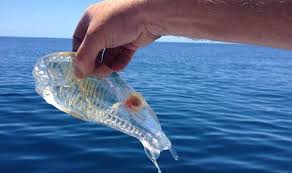
Fish 31,000 species
Cold-blooded
Most lay eggs
Examples, Snapper, Goldfish etc
Amphibians ( 7,000 species)
Lay eggs in water
Larvae breath with gills
Cold-blooded
Examples poison dart frogs, Diplocaulus etc

Reptile (10,000 species )
Cold - blooded
Lays eggs
Dry, Scaly skin
Examples: Turtle, Lizard, Snake

Bird (5,000 species)
Covered in feathers
Warm - blooded
Have Wings
Examples: Sparrow, Penguin, Owl

Mammal (5,000 species)
Covered in hair or fur
Warm-blooded
Feed young on milk
Examples: Bat, Bear, Deer

Fish 31,000 species
Cold-blooded
Most lay eggs
Examples, Snapper, Goldfish etc
Amphibians ( 7,000 species)
Lay eggs in water
Larvae breath with gills
Cold-blooded
Examples poison dart frogs, Diplocaulus etc
Reptile (10,000 species )
Cold - blooded
Lays eggs
Dry, Scaly skin
Examples: Turtle, Lizard, Snake
Bird (5,000 species)
Covered in feathers
Warm - blooded
Have Wings
Examples: Sparrow, Penguin, Owl
Mammal (5,000 species)
Covered in hair or fur
Warm-blooded
Feed young on milk
Examples: Bat, Bear, Deer
Subscribe to:
Posts (Atom)